We all know the standard reality show formula by heart. A contestant walks out, shares a difficult backstory, the dramatic string music swells, and they attempt to belt out a huge power ballad to win over four critical judges.
Most of these moments blend together after a while. They bleed into the endless stream of short-form clips competing for our attention every single day.
Then came Jane Marczewski, known to the world as Nightbirde.
When she stepped onto the stage for her audition, nobody expected the entire world to pause. What unfolded over those few minutes wasn’t just a talent show performance; it was a profound shift in how we look at human pain and happiness.
A Quiet Presence That Silenced the Room
The studio was packed, noisy, and full of the typical high-voltage energy you expect from a massive television production. People were cheering, cameras were sweeping, and the judges were sitting back in their standard posture.
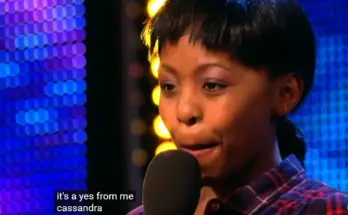
Jane walked out wearing simple clothes, a short haircut, and a smile so gentle it immediately lowered the collective pulse of the room.
There was zero theatrical bravado. No forced confidence or rehearsed charisma designed to demand quick votes from the crowd.
Instead, there was an unmistakable stillness about her. Before she sang a single note, you could feel the atmosphere change from loud entertainment to quiet reverence.
Flipping the Script on Tragedy
When Simon Cowell began his routine questioning, asking about her life and what she did for a living, Jane didn’t drop her diagnosis like a bid for sympathy.
She casually mentioned that she hadn’t been working because she was dealing with cancer.
When pressed on how she was currently doing, her answer was disarmingly candid. She shared that she had cancer in her lungs, spine, and liver, giving her a stark two-percent chance of survival.
Normally, a revelation like that drops a heavy cloud over the studio. You expect tears, solemn nods, and an awkward atmosphere.
But Jane didn’t let the room drown in pity. She smiled bright and casually added, “But two percent isn’t zero percent. Two percent is something, and I wish people knew how amazing it is.”
The Words That Stopped Time
That moment right there flipped the entire narrative of television auditions upside down.
Instead of asking the audience to feel sorry for her, she offered everyone in that building a fresh way to process their own struggles.
She wasn’t using her pain to get attention. She was using her perspective to set the room free.
Then she dropped the sentence that would echo across millions of screens worldwide: “You can’t wait until life isn’t hard anymore before you decide to be happy.”
Three Minutes of Pure Clarity
When the intro music for her original song, “It’s OK,” finally began to play, the room fell into a dead hush.
Her voice wasn’t explosive like a traditional pop diva’s. It was clear, bright, floating, and utterly unpretentious.
The lyrics recounted a year of heartbreak, loss, and chaos, yet the chorus sang out like a quiet victory chant.
“It’s okay, it’s okay, it’s okay,” she repeated, her voice soaring effortlessly over a bright acoustic melody.
Watching her sing those words while carrying such a massive physical burden was a surreal experience. It didn’t sound like someone fighting for survival; it sounded like someone who had already won the most important battle of all.
The Sound of Real Gratitude
Every note landed with precision, not because she was showing off technical tricks, but because every word was completely true to her reality.
She sang with a light rhythm that got people swaying, instantly turning what could have been a sad ballad into a celebration of being alive right now.
You could see people in the audience wiping away tears, not out of sadness, but out of a sudden, overwhelming sense of clarity.
She was giving everyone permission to breathe through their own chaos.
A Unanimous Reality Check
As the final note faded into the room, the reaction was immediate and electric.
The entire audience rose to their feet at once. Judges were visibly stunned, struggling to pull themselves together to speak.
Even Simon Cowell, famous for his razor-sharp critiques and cynical exterior, sat completely paralyzed by the beauty of what he had just witnessed.
When he spoke, his voice cracked with genuine emotion. He noted how casually she had delivered such a profound truth, praising her authenticity over standard stagecraft.
Hitting the Golden Buzzer felt less like a contest prize and more like an act of sheer gratitude from the judges to the artist.
Why This Moment Refuses to Fade
Gold confetti rained down, covering the stage in shimmering light while Jane stood in the center, overwhelmed yet perfectly calm.
Years later, this video continues to circulate across feeds every single day, racking up hundreds of millions of views.
It doesn’t go viral simply because it’s a great music performance, though it certainly is one.
It stays alive because it reminds us of something we constantly forget in our fast-paced lives.
We spend so much time waiting for the storms to clear, waiting for the perfect day, or waiting until our problems disappear before we allow ourselves to feel joy.
Jane proved that joy isn’t something you find after the trial is over. It’s something you choose to claim right in the middle of it.